The Flower Care Studio
A practical guide to understanding, growing, caring for, and enjoying flowers throughout the seasons. Welcome to your botanical field journal.
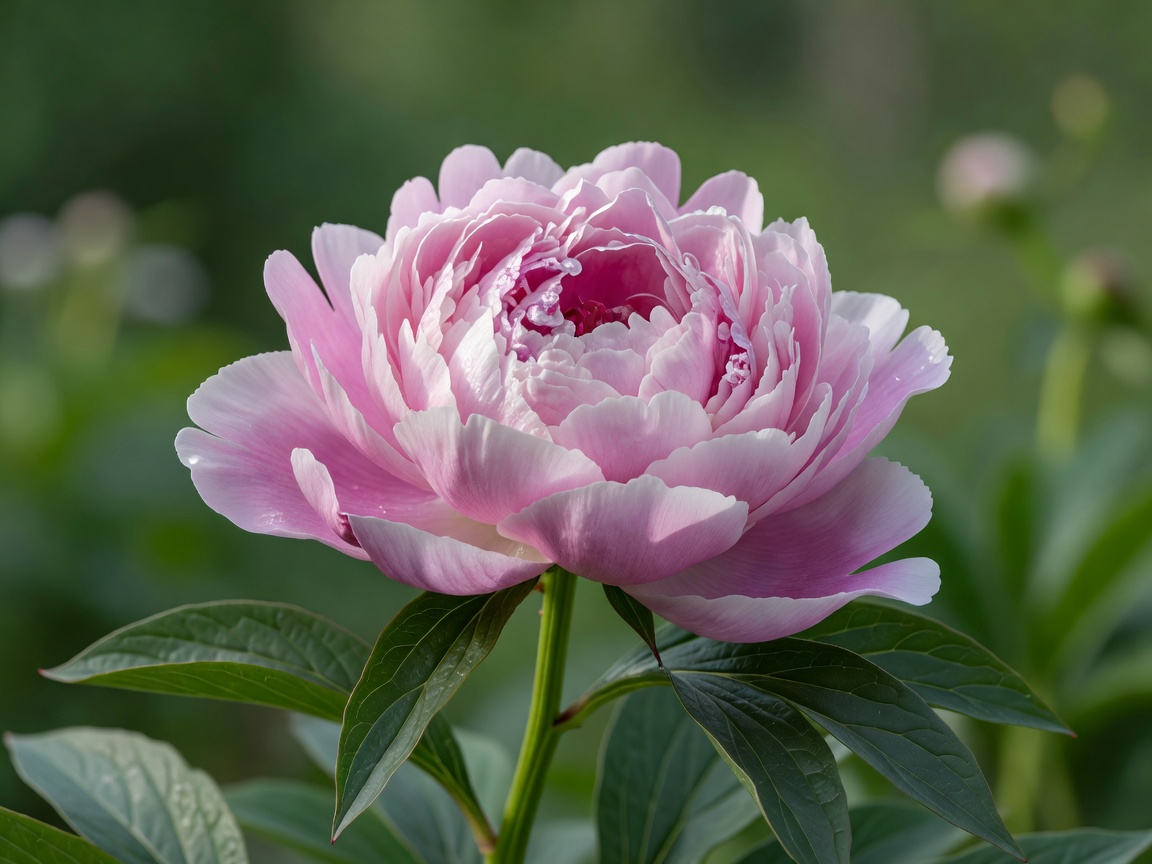
The Peony
Known for their breathtakingly lush blooms and deeply sweet fragrance, peonies are remarkably resilient herbaceous perennials that can live for decades with proper initial placement. They are a staple of late spring gardens, providing an opulent display that bridges the gap between spring bulbs and summer annuals. What makes them so rewarding is their longevity; once established, a healthy peony will require very little intervention and will bloom reliably every year. They demand rich, well-draining soil and a permanent location, as their deep roots actively resist transplantation. Ideal for patient, intermediate gardeners seeking to establish a lasting, romantic focal point in their sunny landscape borders.
Flower Discovery
Explore care profiles for common garden and indoor flowers.
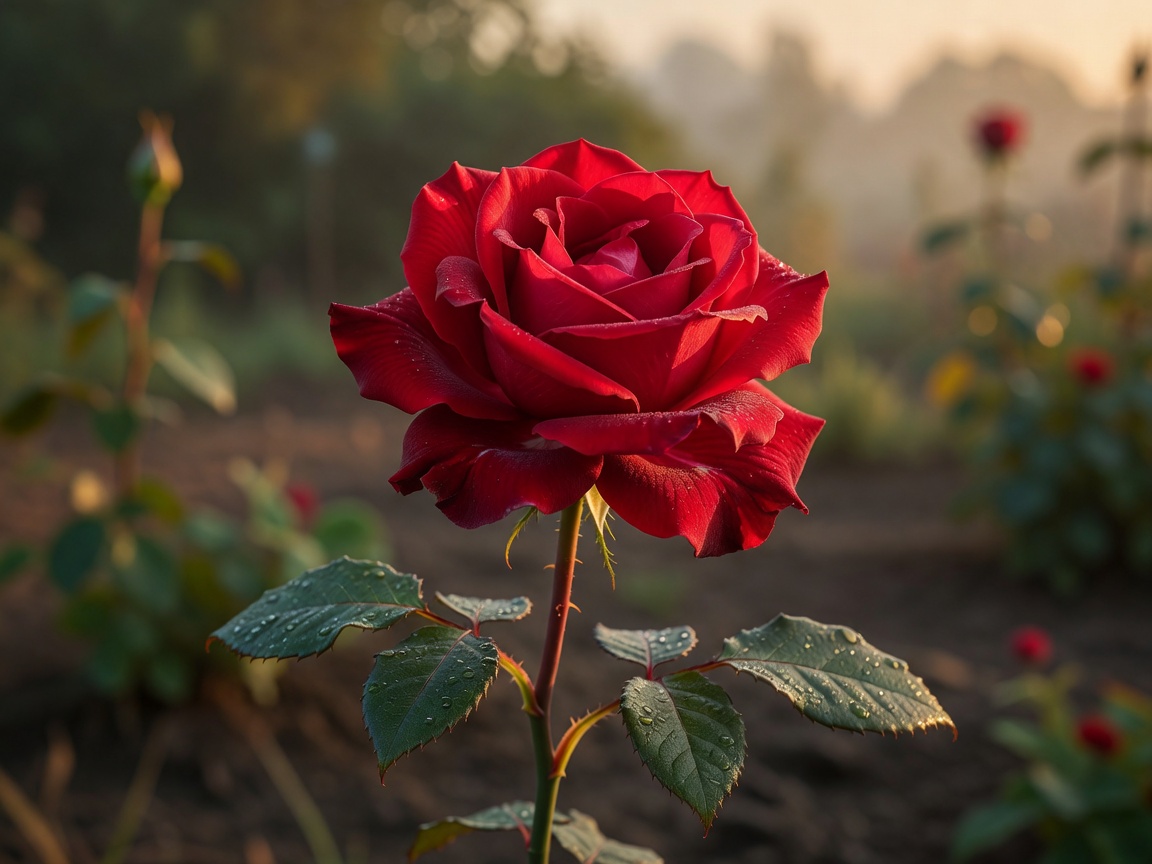
Roses
Classic, elegant, and historically significant, roses are often considered the pinnacle of ornamental gardening. While they carry a reputation for being exceptionally demanding, modern landscape varieties and shrub roses are surprisingly resilient. Mastering rose care is incredibly rewarding because few other plants offer such an extensive, breathtaking variety of colors, petal forms, and deeply complex fragrances. They require dedicated seasonal pruning, rich nutrition, and excellent air circulation to thrive and resist disease. Roses are ideal for intermediate to advanced gardeners looking to elevate their landscape with structured beauty and continuous summer blooms.
Beginner Tip: Always water deeply at the base of the plant early in the morning to keep foliage dry and prevent common fungal diseases like black spot.
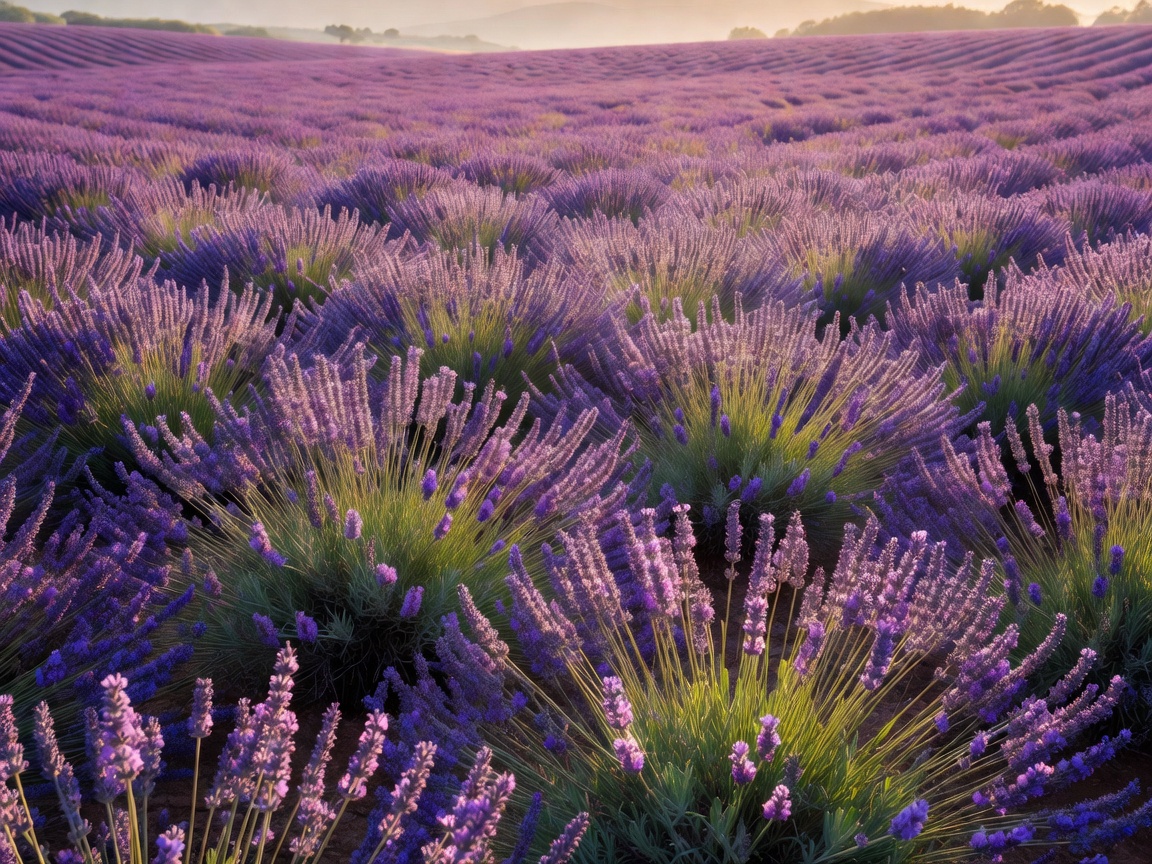
Lavender
Famous for its calming, aromatic scent and vibrant purple flower spikes, lavender is a robust Mediterranean native that brings profound sensory delight to any garden space. It is absolutely essential for pollinator-friendly gardens, attracting bees and butterflies by the hundreds, and thrives in harsh, exposed conditions that would easily stress other plants. The crucial key to successful lavender cultivation is mimicking its native arid environment—it demands blazing hot sun, lean, rocky soil, and absolute minimal watering once fully established. This hardy plant is perfect for beginners with sunny, dry yard spaces who want low-maintenance, drought-tolerant perennial color.
Beginner Tip: Never add rich compost or water-retaining mulch near the crown, as lavender roots are highly susceptible to rot in damp conditions.
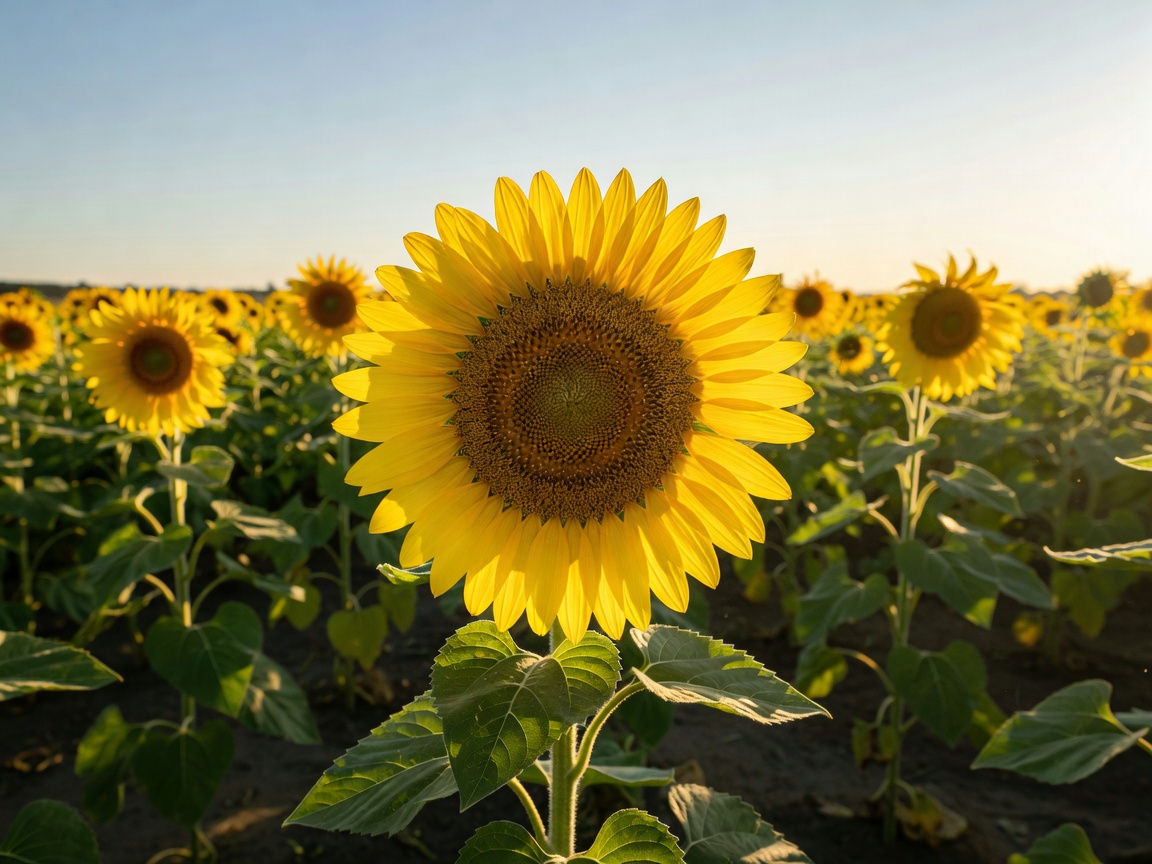
Sunflowers
Fast-growing, joyful, and towering, sunflowers are the ultimate quintessential summer annual. They are perfect for introducing young children to the magic of gardening because their rapid, dramatic growth from seed to giant bloom is highly visible and deeply satisfying. Beyond their cheerful, iconic appearance, they play a vital ecological role by producing nutrient-dense seeds for local bird populations and abundant pollen for native bees. Young plants uniquely track the sun across the sky and require sturdy, deep taproots to support their massive, heavy flower heads. These effortless flowers are suitable for any beginner with a sunny patch of soil.
Beginner Tip: If growing giant varieties in a breezy location, loosely stake the main stem early on to prevent heavy summer winds from snapping the plant.
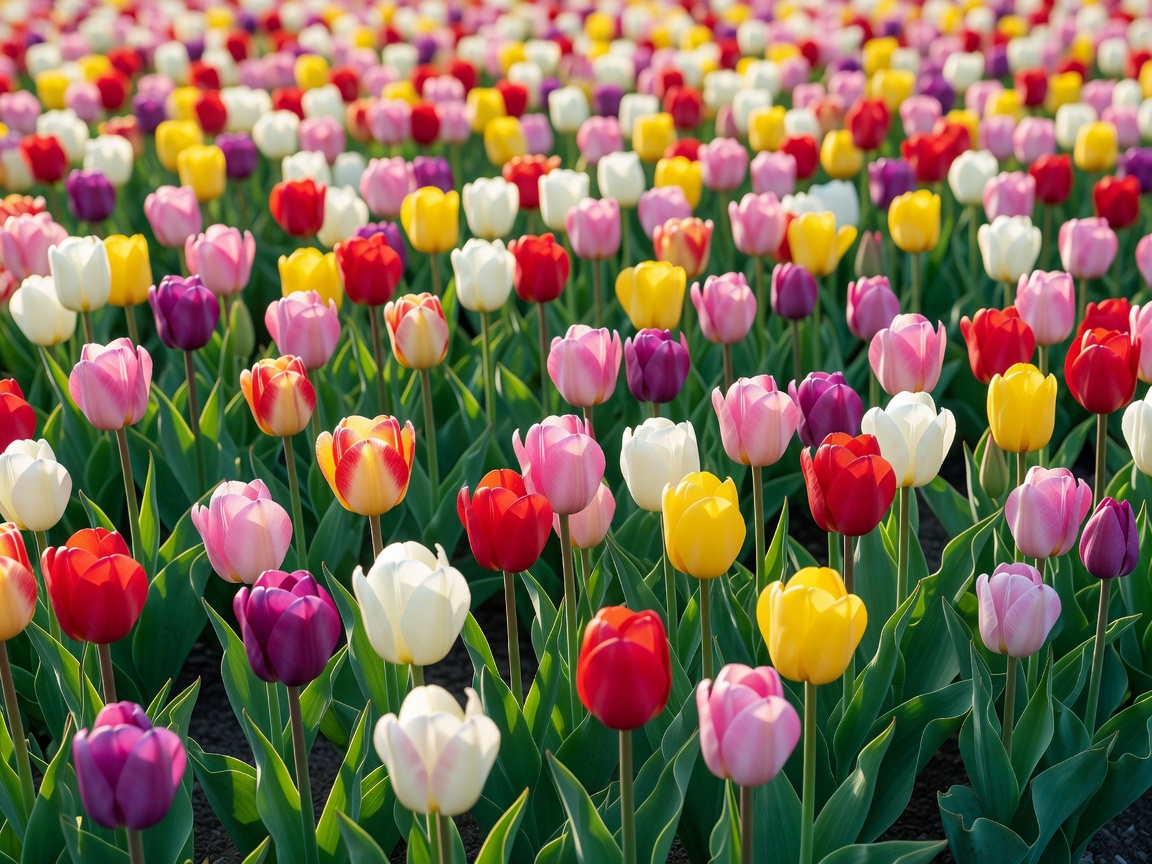
Tulips
Heralding the much-anticipated arrival of spring, tulips offer a breathtaking display of perfectly cup-shaped blooms in nearly every vibrant color imaginable. Planted in the cool, fading days of autumn, these hardy bulbs spend the long winter quietly developing robust root systems before bursting forth as soil temperatures rise. They are excellent for creating dense, colorful garden borders, striking formal plantings, or cheerful container displays on a patio. While often treated as annuals in warmer, southern climates, providing them with proper cold winter dormancy ensures brilliant and reliable spring rewards. Great for novice gardeners eager to kick-start their spring season.
Beginner Tip: After the flowers fade, resist the urge to cut back the green leaves immediately; the plant needs them to photosynthesize and store energy.
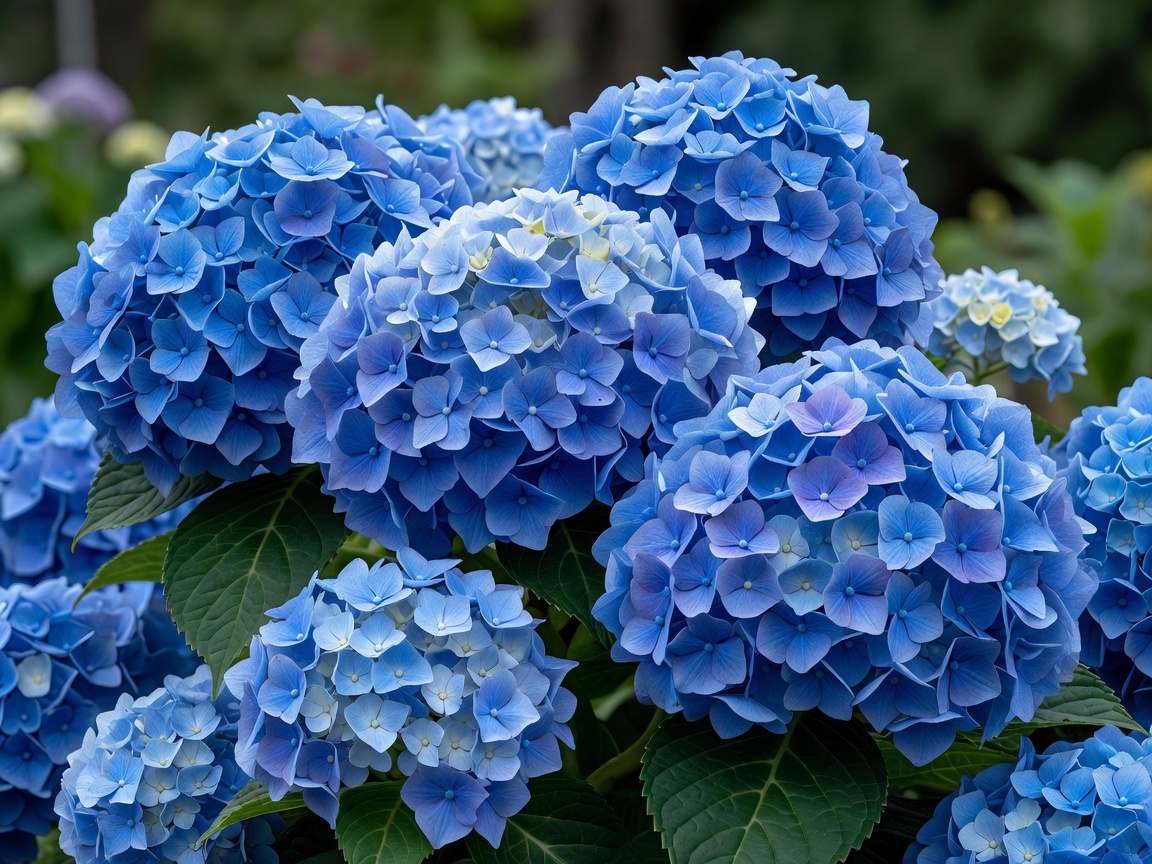
Hydrangeas
Known for their massive, globe-like flower heads and lush, textured foliage, hydrangeas are exceptional structural shrubs that bring dramatic scale and vibrant color to shady garden corners. What makes them uniquely fascinating is their remarkable ability to change bloom color—from vibrant pink to deep, true blue—based entirely on the acidity levels and aluminum content of your native soil. They are famously heavy drinkers that require consistent, deep moisture and thoughtful garden placement to avoid the scorching afternoon sun which quickly wilts their expansive leaves. Ideal for intermediate gardeners seeking bold, long-lasting summer blooms in woodland or dappled shade settings.
Beginner Tip: Understand whether your specific variety blooms on "old wood" (last year's growth) or "new wood" before you ever pick up a pair of pruning shears.
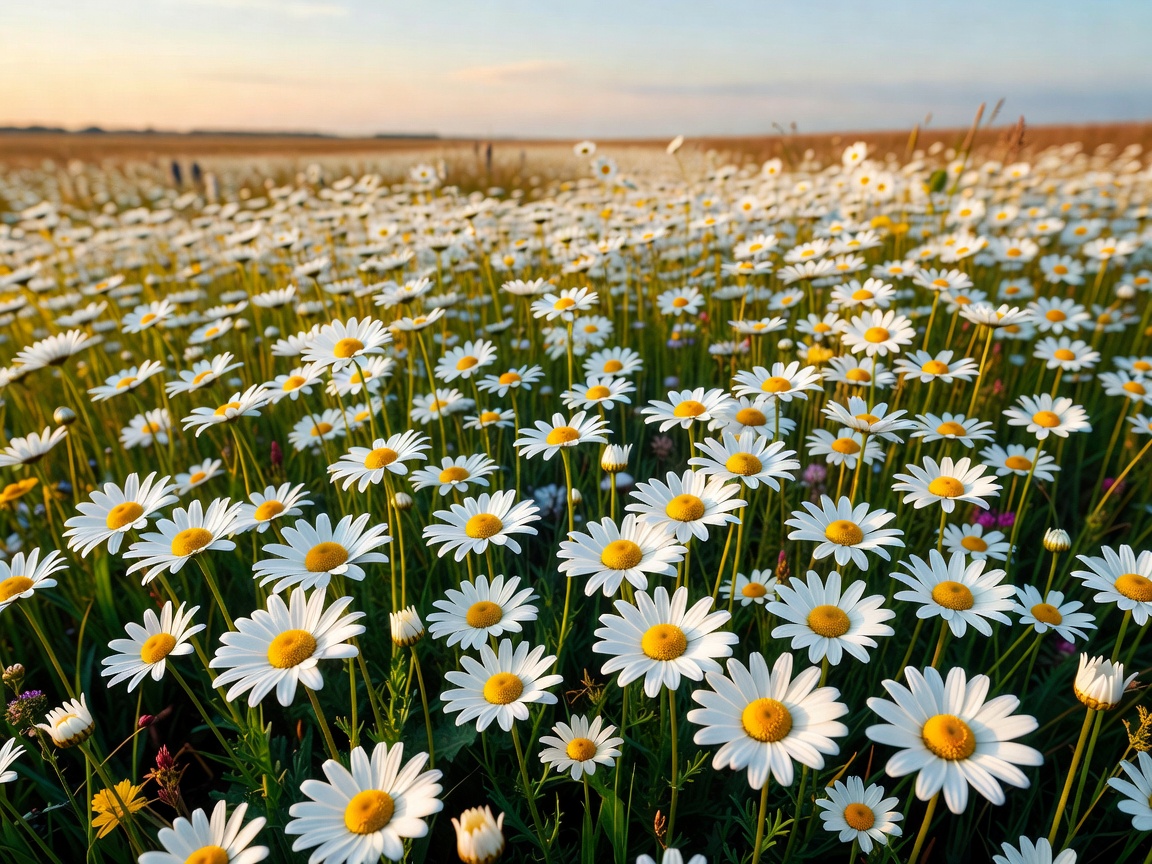
Daisies
Cheerful, entirely unpretentious, and remarkably hardy, daisies are the quintessential meadow flower that instantly brightens any landscape. With their crisp, snow-white petals and bright, sunny yellow centers, they provide excellent visual contrast in mixed perennial borders and are absolutely outstanding as long-lasting cut flowers for indoor rustic arrangements. They are aggressive, fast growers that will quickly and reliably fill in empty garden spaces, returning vigorously year after year. Their flat-topped blooms serve as ideal landing pads, attracting countless beneficial pollinators like butterflies and hoverflies to your backyard ecosystem. Highly recommended for absolute beginners establishing their first perennial beds.
Beginner Tip: To keep the plants vigorous and blooming heavily, dig up and divide the dense root clumps every three to four years in early spring.
Seasonal Flower Care
Understanding exactly what your flowers require during different, shifting times of the year is the absolute foundational key to maintaining a perpetually thriving garden. From the frantic, hopeful awakenings of early spring and the demanding deadheading chores of hot summer days, to the strategic dividing of perennials in autumn and providing essential protective mulch for winter dormancy, mastering seasonal rhythms prevents frustration. This comprehensive guide helps you anticipate garden tasks before they become urgent. It is perfect for both anxious beginners seeking a clear timeline and seasoned gardeners wanting to refine their yearly landscape maintenance schedule.
Read Seasonal Guide →
Growing Basics
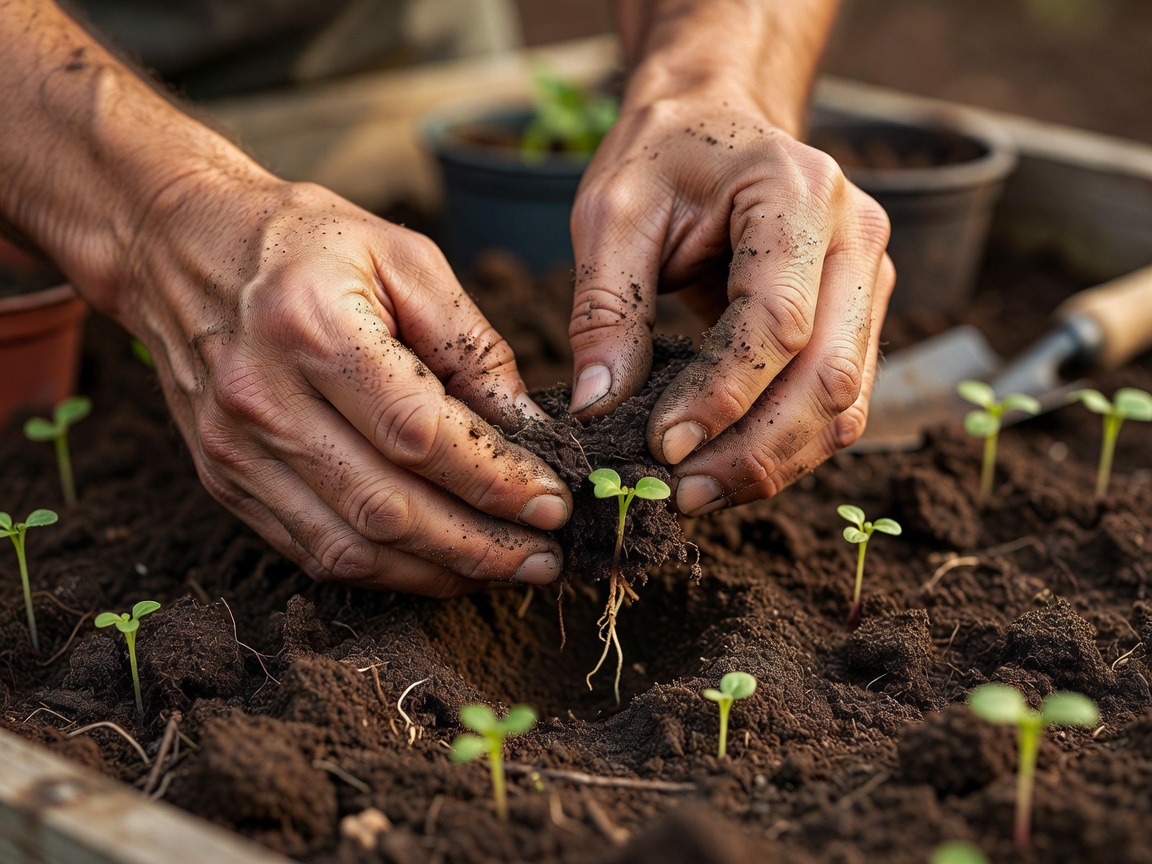
True, long-term success with breathtaking flowers always starts from the ground up, relying on solid horticultural fundamentals rather than mere luck. Before you ever purchase a plant, you must master the absolute essentials of garden preparation. This includes thoughtfully choosing the correct planting location, accurately interpreting complicated sunlight exposures in your yard, employing deep and effective watering techniques, and vigorously amending your native soil with rich compost prior to planting. Establishing this robust foundation dramatically reduces plant stress, minimizes disease, and guarantees more prolific blooms. Highly suitable for all novice gardeners eager to establish a flawless starting environment.
Learn Growing Basics →
Flower Arranging
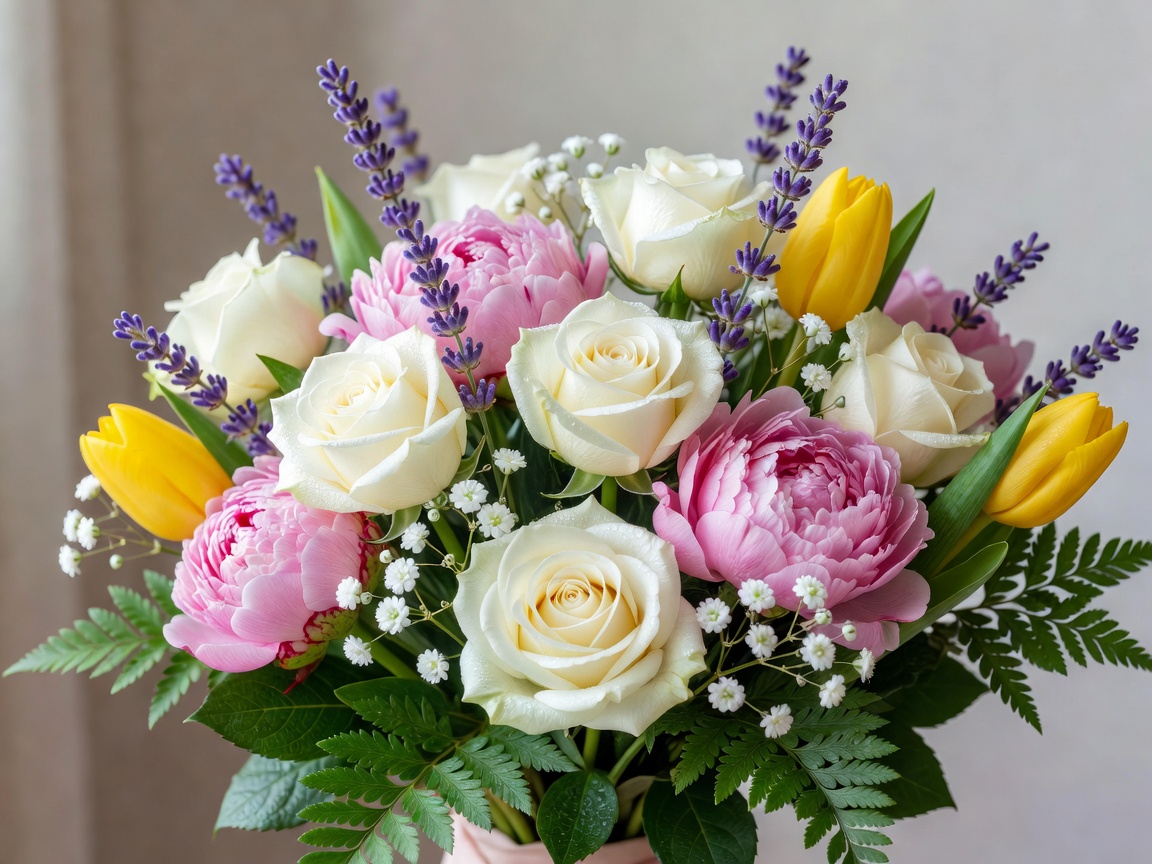
Bring the ephemeral beauty of your outdoor garden directly indoors by mastering the accessible art of floral design. Creating stunning displays does not require formal floristry training. Learn simple, highly effective editorial techniques for correctly preparing and hydrating fresh cut stems to prevent wilting. We cover the foundational principles of balancing flower heights, strategically selecting the correct architectural container to support heavy blooms, and utilizing specialized conditioning methods to keep your cut flowers looking flawlessly fresh for significantly longer. This arrangement guide is perfectly suited for creative individuals looking to elevate their interior spaces with seasonal botanical centerpieces.
 Read Arrangement Guide →
Studio Resources
Deepen your knowledge with our targeted care methodologies.
Flower Problem Solver
Even the most experienced and dedicated gardeners inevitably encounter mysterious plant ailments. When your favorite blooms suddenly begin wilting despite wet soil, or lower leaves turn an unexpected shade of yellow, quick and accurate diagnosis is critical to saving the plant. This comprehensive problem-solving guide helps you systematically identify the root causes of common beginner mistakes—ranging from severe root rot and hidden nutrient deficiencies to improper light exposure and stealthy pest infestations. By learning to read your plants' distress signals, you can apply targeted, effective remedies. Perfect for anyone looking to rescue a struggling plant before it's too late.
Beginner Tip: Always check soil moisture levels one inch below the surface before assuming a drooping plant simply needs more water.
Open Solver →Indoor Flowers
Cultivating blooming plants inside your home brings vibrant life and natural color to your interior spaces year-round, but it presents unique environmental challenges compared to outdoor gardening. Because window glass heavily filters out a significant amount of usable solar energy, positioning your plants correctly is the absolute foundational step for indoor success. This detailed guide covers the specific light spectrums, ambient humidity levels, and specialized watering requirements for popular flowering houseplants like African Violets, expressive Peace Lilies, and delicate Phalaenopsis Orchids. It is an ideal resource for apartment dwellers and winter gardeners seeking to maintain thriving indoor floral displays.
Beginner Tip: Grouping several indoor plants together can create a localized micro-climate that naturally boosts ambient humidity.
Indoor Guide →Outdoor Flowers
Designing and maintaining thriving outdoor floral displays requires a solid, foundational understanding of your specific local climate, designated hardiness zone, and native soil composition. Whether you are planting a sprawling perennial border, a dedicated summer cutting garden, or striking patio containers, strategic and informed plant selection is key. This comprehensive guide deeply explores the principles of layering by ultimate height, creating continuous seasonal interest so something is always in bloom, and utilizing the classic "Thriller, Filler, Spiller" design method for dynamic, professional-looking outdoor pots. Essential reading for homeowners aiming to dramatically boost their curb appeal and outdoor living spaces.
Beginner Tip: Keep in mind that outdoor container gardens dry out significantly faster than plants directly in the ground.
Outdoor Guide →Beginner Routine
The true secret to a flourishing garden isn't a magical green thumb—it is consistent, mindful, and highly structured observation. Establishing a predictable weekly routine effectively prevents small, manageable issues from escalating into garden-wide disasters. This foundational methodology carefully walks you through a simple but highly effective five-step horticultural checklist: checking deep soil moisture levels, actively inspecting for hidden pests under foliage, executing proper deadheading techniques to encourage reblooming, monitoring for early disease signs, and carefully tracking ongoing seasonal changes. This guide is absolutely essential for anyone feeling overwhelmed by plant care and looking to build gardening confidence through simple habits.
Beginner Tip: Dedicate just ten minutes every Sunday morning to walking through your plants; early detection is the best defense against pests.
View Routine →